Top Reasons People Are Choosing Body Contouring Today
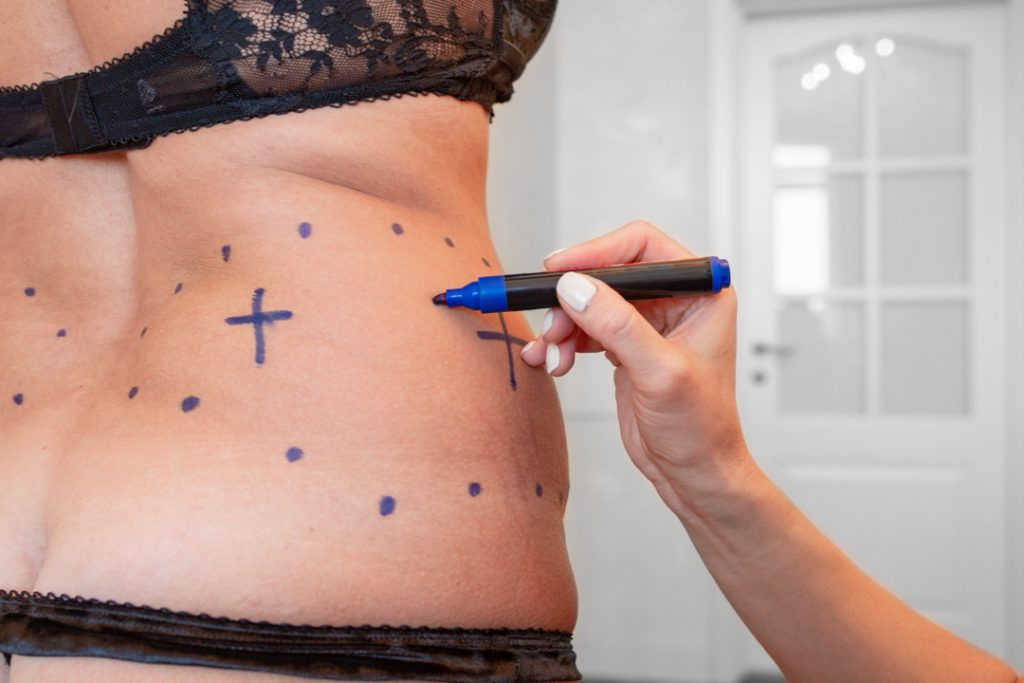


Body contouring has moved from a niche cosmetic category into the mainstream, and not by accident. People are more informed than they used to be, more selective with their time, and often less interested in dramatic change than in refinement. They want results that look believable in real life, not just in edited photos. They also want options that fit around work, family, exercise, and the realities of aging.
That shift matters. For years, cosmetic treatment was often discussed in broad, simplistic terms. Lose weight. Tighten skin. Remove fat. Reality is more layered than that. Many people are already eating well, training consistently, and taking care of themselves, but they still have areas that do not respond the way they hoped. Others are dealing with changes after pregnancy, fluctuations in weight, or the natural decline in skin elasticity that shows up with age. Body contouring sits in that space between health and aesthetics, where people are not necessarily trying to become someone else. They are trying to feel more comfortable in the body they already have.
The reasons people choose body contouring today reflect that mindset. The appeal is not just physical. It is practical, emotional, and in many cases, deeply personal.
People want targeted change, not a total transformation
One of the most common reasons people explore body contouring is frustration with localized problem areas. This comes up again and again in consultation settings. A person may be generally fit, near a stable weight, and still feel bothered by fullness around the lower abdomen, flanks, upper arms, inner thighs, or under the chin. The issue is not usually a lack of discipline. It is often anatomy, hormones, genetics, age, or all four at once.
That distinction has changed how people think about treatment. Ten or fifteen years ago, many assumed cosmetic body procedures were mainly for people making a dramatic change. Now the conversation is more precise. Someone may want their clothes to fit better at the waist. Another person may want to smooth a bra line bulge that shows through tailored workwear. A new mother may want help with abdominal laxity after months or years of trying exercise-based solutions. These are not vanity-driven caricatures. They are focused quality-of-life concerns.
Body contouring offers something very specific: the ability to address shape, contour, and proportion in a way general weight loss often cannot. Weight loss changes total mass. Contouring changes silhouette. Those are related, but they are not the same.
Non-surgical options have changed the market
A major driver behind the rise in Body Contouring is the wider availability of non-surgical and minimally invasive treatments. For many people, surgery still plays an important role, especially when significant skin laxity or larger-volume fat removal is involved. But the arrival of treatments that require little downtime has opened the door for a different kind of patient.
A person who would never have considered traditional surgery may be willing to consider a series of appointments that fit into a lunch break or a lighter workday. That does not mean these treatments are casual. They still require screening, planning, and realistic expectations. But they feel more approachable.
Devices that use cooling, radiofrequency, ultrasound, muscle stimulation, or combinations of technologies have reshaped expectations. Patients often come in asking not for the most aggressive option, but for the smartest one. They want to know what will help with pinchable fat, what might improve mild loose skin, what can support muscle tone, and what is likely to produce visible change without a long recovery period.
That practicality is powerful. It expands access, especially for adults in demanding careers, caregivers, and people who simply cannot afford to disappear for several weeks of healing.
Recovery time now matters almost as much as the result
Years ago, cosmetic decisions were often framed around one main question: does it work? That question still matters, of course, but now it is usually followed by another: what will recovery look like in real life?
This is one of the strongest reasons body contouring has become so popular. People are balancing more moving parts. They have school pickups, presentations, flights, weddings, training schedules, social plans, and household responsibilities. Even a highly motivated patient may hesitate if downtime is likely to interrupt several weeks of normal life.
That does not mean people are avoiding procedures with recovery altogether. It means they are weighing the trade-off more consciously. A person with mild lower abdominal fullness may prefer a less invasive approach, even if the change is subtler and gradual. Someone with significant skin laxity after weight loss may decide a surgical option is worth the recovery because non-surgical treatment is unlikely to meet the goal. The key difference is that patients are no longer treating recovery as an afterthought. It is part of the primary decision.
In practice, this leads to better choices. When people understand the real timeline, soreness, swelling, compression needs, activity restrictions, and number of sessions involved, satisfaction tends to improve. The treatment fits the person, not just the body area.
Fitness culture has made plateaus more visible
There is a revealing pattern among many body contouring patients: they are often already doing a lot right. They strength train, track nutrition, walk regularly, and maintain a relatively stable routine. That level of body awareness can make certain stubborn areas more noticeable, not less.
Once someone has built healthy habits, the remaining concerns can feel sharper. A small abdominal pouch, persistent fullness at the flank, or loose skin over the triceps becomes more obvious when the rest of the body is leaner or firmer. In that context, body contouring is rarely about replacing effort. It is about addressing what effort alone has not changed.
This is especially common after major personal milestones. Someone loses 40 pounds and feels stronger than ever, but is disappointed by residual skin laxity. Another person returns to training after pregnancy and finds that fat distribution around the midsection has changed. A man in his forties notices that despite maintaining his usual exercise routine, fat around the waist has become more resistant than it was at thirty. These are familiar stories in modern aesthetics.
The cultural conversation around fitness has matured, too. More people now understand that “just work harder” is not a complete answer. Physiology is more complicated than that, and mature decision-making reflects it.
Post-pregnancy changes are a major factor
Few life events alter the body as dramatically as pregnancy. Even with a smooth recovery and a strong return to exercise, many women notice lasting changes in the abdomen, waistline, breasts, thighs, or skin texture. Sometimes it is stubborn fat. Sometimes it is stretched skin. Sometimes it is muscle separation, which contouring alone may not fully solve and may require a different medical conversation altogether.
This helps explain why body contouring remains such a meaningful category for postpartum patients. The motivation is often less about “getting your body back” and more about feeling structurally familiar again. A woman may say her clothes fit differently, or that she feels physically healthy but disconnected from her shape. That emotional dimension should not be dismissed. It is often the real reason she is in the room.
It is also where careful guidance matters. Not every postpartum concern should be treated immediately, and not every issue responds to the same modality. Weight stability, breastfeeding status, hormonal shifts, tissue quality, and overall recovery all affect timing and outcomes. When body contouring is approached thoughtfully, it can be a very helpful part of postpartum restoration. When it is oversold, it leads to disappointment.
People are aging differently, and they want their bodies to reflect how they feel
Aging used to carry a more passive script. People expected changes, accepted them, and often felt they had limited options. That has changed. Adults in their forties, fifties, and sixties are often highly active, style-conscious, and engaged in work and social life. They may feel energetic and capable, but notice that their body is changing in ways that no longer align with that internal experience.
Loss of skin elasticity is a major part of this. Fat distribution shifts. Muscle mass declines more easily. Recovery from intense training can become less forgiving. The body may remain healthy, but softer in certain areas. This is where body contouring has found a strong middle ground. It is not necessarily about looking younger. It is about looking more in step with how someone actually lives.
A 52-year-old who hikes, lifts weights, and travels frequently may not want a dramatic intervention. But she may want help with crepey skin above the knees or mild laxity at the abdomen. A 47-year-old executive may want a better jawline and less fullness under the chin because video calls have made that area more noticeable. A 60-year-old man who has stayed fit may want improved waist definition without surgery. These are not fringe concerns. They are increasingly ordinary.
Visual culture has intensified self-scrutiny
It would be naïve to ignore the role of cameras, mirrors, and digital life. People now see themselves from angles that were once easy to avoid. Video meetings, social media, smartphone photography, and fitted activewear all create a kind of constant visual feedback. That does not automatically lead to insecurity, but it does sharpen awareness.
Interestingly, the effect is not always about comparing oneself to influencers or celebrities. Often it is more mundane than that. Someone notices a waistband indentation in every photo from a vacation. Another sees arm laxity while giving a presentation on camera. Someone else realizes that no matter what size they buy, one area of clothing fit never feels quite right. These observations can build over time and push a person toward action.
There is a healthy and unhealthy side to this trend. The healthy side is agency. People recognize a concern and explore options thoughtfully. The unhealthy side is distorted expectation, usually driven by edited images or unrealistic promises. Good clinicians spend a lot of time separating those two. The best body contouring decisions come from grounded goals, not from chasing a filtered version of normal.
The stigma around cosmetic treatment has softened
Another reason more people are choosing body contouring is simple: they are more comfortable talking about it. Cosmetic treatment no longer carries the same secrecy it once did, especially when the goal is subtle improvement. Friends compare notes. Partners discuss options openly. Patients arrive already understanding the broad categories of treatment because someone they trust has had a positive experience.
This change has practical consequences. When stigma drops, people tend to ask better questions. They are less likely to seek treatment impulsively and more likely to view it as a serious consumer and health decision. They also tend to be more realistic. They know someone who needed multiple sessions. They know someone who had swelling for longer than expected. They know that “non-surgical” does not mean “effortless.”
That kind of honesty is good for the field. It moves the conversation away from fantasy and toward fit, timing, candidacy, and maintenance.
Better technology has improved precision, but judgment still matters more
Technology has unquestionably improved. Treatments are more refined, and many platforms can address smaller distinctions between fat, skin laxity, and muscle tone than older methods could. That has helped drive demand. People are more willing to invest when the tools seem tailored to the actual problem.
Still, one of the most important truths about body contouring is that the technology itself is only part of the equation. Patient selection matters more than marketing. A treatment that works beautifully for mild abdominal fullness in one patient may underperform completely in another who really needs skin removal or muscle repair. The reverse is also true. Some people are steered toward surgery when a non-surgical approach might have matched their goals just fine.
What people want today is not just access to treatment. They want discernment. They want someone to explain whether the issue is fat volume, loose skin, poor elasticity, muscle separation, or a combination. They want to know if improvement is likely to be 10 percent, 20 percent, or enough to justify the cost. They want honest guidance about maintenance and whether future weight changes will affect the result.
That is a healthy development. Better patients make better decisions.
The appeal often lies in clothing, comfort, and confidence, not perfection
One misconception about body contouring is that people pursue it for idealized beauty standards alone. Sometimes that is part of the story, but in many real-world cases, the goals are more ordinary and more practical.
People want their pants to sit smoothly. They want to wear a tucked shirt without constantly adjusting the fabric. They want exercise leggings to fit evenly. They want less rubbing at the inner thighs, less bulging at the bra line, less bunching at the lower abdomen. Those are functional frustrations, not abstract vanity.
Confidence enters the picture too, but usually in a quieter way than the public imagination assumes. The most satisfied patients are often not the ones chasing dramatic external validation. They are the ones https://rivervqbr324.huicopper.com/body-contouring-101-everything-beginners-need-to-know who stop thinking about a certain area every time they get dressed. The mental relief can be significant. When a persistent concern fades into the background, people often feel more at ease socially, professionally, and physically.
Cost is still a factor, but many people see it differently now
Body contouring is an elective expense, and cost remains a real barrier for many. That has not changed. What has changed is how some people frame the value. Instead of viewing it as an indulgence, they may see it as a focused investment in something that has bothered them for years.
That does not mean everyone should spend the money, or that every treatment is worth the price. Some are not. Outcomes vary, and value depends heavily on candidacy and expectations. A person seeking a dramatic result from a modest non-surgical treatment may feel disappointed regardless of price. Another person with a small, well-defined concern may feel the procedure was worth every dollar because it solved a very specific issue.
When discussing cost, the smartest questions are rarely just about the upfront number. They are about total treatment plan, likely number of sessions, downtime, maintenance, and expected degree of change. A lower-priced treatment that needs repeated sessions and produces mild results may not be cheaper in the long run. A higher-priced intervention with a clearer endpoint may, for the right patient, offer better value.
What thoughtful candidates usually consider before moving forward
The people who tend to be happiest with body contouring are not necessarily the ones with the biggest budgets or the most aggressive plans. They are usually the ones who understand what they are treating and why. Before moving ahead, they typically think through a few core issues:
- Whether the concern is really fat, loose skin, muscle laxity, or a combination
- Whether their weight has been stable long enough to judge the area accurately
- How much downtime they can realistically tolerate
- What level of improvement would genuinely feel worthwhile
- Whether they are prepared for maintenance, if the chosen treatment requires it
Those five questions sound simple, but they prevent a remarkable number of poor decisions.
The strongest reason of all: people have more agency than they used to
If there is one thread connecting all the reasons above, it is this: people feel more entitled to make informed choices about their own bodies. That may be the biggest cultural change behind the rise of Body Contouring.
They are no longer waiting for a concern to become severe before addressing it. They are no longer assuming discomfort must simply be tolerated. They are researching, asking questions, comparing options, and deciding whether a treatment fits their goals, schedule, budget, and values. Some will choose surgery. Some will choose a non-surgical approach. Some will decide the trade-offs are not worth it and walk away. That, too, is a valid outcome.
The important point is choice. Body contouring has become more popular because it now sits within a broader, more mature view of aesthetics. People are not just chasing a trend. Many are making calculated decisions about comfort, confidence, proportion, and how they want to move through daily life.
That is why the category continues to grow. Not because everyone wants to look radically different, but because more people understand that small, targeted changes can matter. When the indication is right and expectations are clear, body contouring can offer exactly what modern patients are looking for: measured improvement, practical convenience, and results that feel like an enhanced version of themselves.
Aesthetic Plastic Surgery & Laser Center, Michelle Hardaway M.D.
Address: 27920 Orchard Lake Rd, Farmington Hills, MI 48334
Phone number: +12482211957
FAQ About Body Contouring in Michigan
What does body contouring actually do?
Body contouring (or body sculpting) eliminates stubborn localized fat, tightens loose, sagging skin, and reshapes your silhouette. It is not a weight-loss tool, but rather a cosmetic procedure used to refine and tone specific trouble spots after major weight loss, pregnancy, or aging.
How much does body contouring usually cost?
The total cost of body contouring usually ranges from $2,000 to $25,000+ depending entirely on whether you choose non-surgical sessions or major surgical procedures.
Because "body contouring" covers everything from simple fat-freezing to comprehensive post-weight-loss surgeries, pricing is heavily categorized by the method used.
What is the best type of body contouring?
Liposuction is a huge topic and worth discussing in more detail, but in terms of body contouring and sculpting, nothing does the job better than liposuction, particularly VASER liposuction.